If anxiety could be harnessed and turned into power like wind or solar energy, I am convinced I could power NASA to Saturn. Every time I drive past wind turbines or solar panels, I find myself wishing there was some way to make good of the amount of anxious energy I produce on a daily basis. Ever since I heard a podcast that said that the most anxious person in the room has the most power, I have found myself wanting to contain my anxious energy so that it won’t spill over in a sinister way into the hearts of my husband, children, and home. I’ve also read that activity is the antidote for anxiety. Thus, it has seemed to me that the only way to contain my anxiety would be to walk to the moon and back everyday.
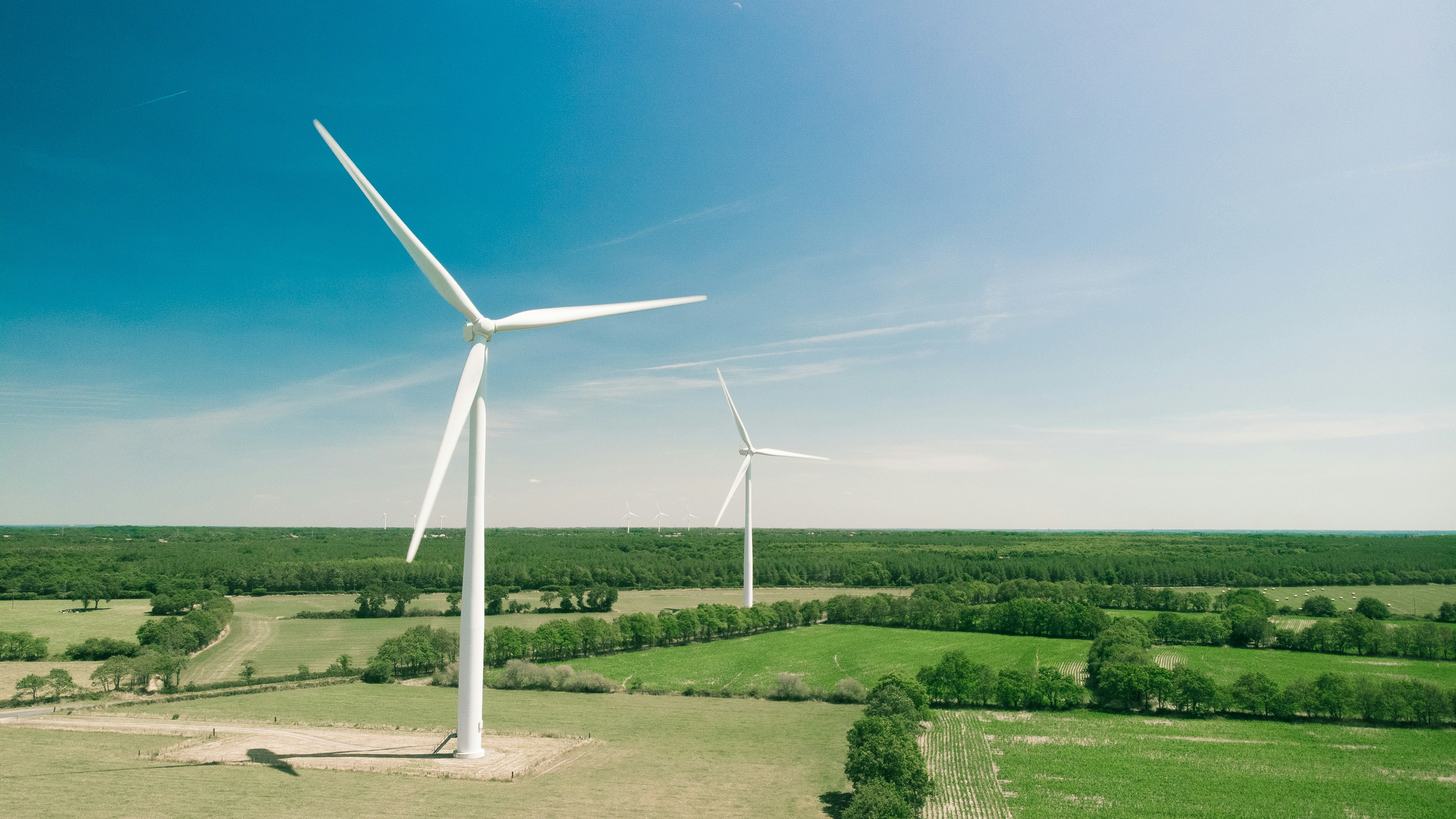
The other day, I was confessing to the Lord my fears that my inheritance to my children will be lined by anxiety. The Spirit flipped the script a little on me in a way that made me giggle aloud. Yes, yes, it will, but not in the way I was supposing. You see, if the antidote for anxiety is activity, then the powerlessness I feel on a regular basis literally becomes a turbine for prayer. If my anxiety forces me into the throne room daily, then my children are receiving an inheritance of prayer. So my very powerlessness has potential to become a strength leveraged on their behalf.
I love how JB Phillips phrases Paul’s words about weakness to the Corinthians:
“Three times I begged the Lord for it leave me, but his reply has been, ‘My grace is enough for you: for where there is weakness, my power is shown the more completely.’ Therefore, I have cheerfully made up my mind to be proud of my weaknesses, because they mean a deeper experience of the power of Christ. I can even enjoy weaknesses, insults, privations, persecutions, and difficulties for Christ’s sake. For my very weakness makes me strong in him” (2 Corinthians 12:8–10, JB Phillips).
I love how Bible Commentator Alexander MacLaren captures a similar concept:
“Wise and happy shall we be if the sense of helplessness begets in us the energy of a desperate faith. For these two, distrust of self and glad confidence in God, are not opposites, as naked distrust and trust are, but are complementary. He does not turn his eyes to God who has not turned them on himself, and seen there nothing to which to cling, nothing on which to lean. Astronomers tell us that there are double stars revolving round one axis and forming a unity, of which the one is black and the other brilliant. Self-distrust and trust in God are thus knit together and are really one.”
Actively Entrusting
When Jesus’s disciples began to be deeply troubled by His announcement that He would be leaving them soon, He tells them that belief in Him is the antidote to their agitated, anxious hearts (the Greek word translated troubled means disturbed or agitated like roiled water). I love Jesus’s simplicity in John 14. His tone and temperament in speaking to the worried disciples shows just how much He understood human nature. Long before there were brain scans and studies to show what calms minds ridden by anxiety, Jesus modeled a calm, reassuring response anchored in His presence and nearness.
“Let not your hearts by troubled. Believe in God; believe also in me.” (John 14:1). In the passage that follows, Jesus employs the word belief (pisteuo) five times. If repetition means emphasis, Jesus emphasizes belief in Him as the activity for troubled hearts. He doesn’t tell them to manifest good things about the future or to think positively. He doesn’t tell them to imagine themselves victorious or peaceful. He invites them to actively entrust themselves to Him in their anxiety.
He invites them to actively believe Him for their present and their future (John 14:3–9). And He appeals to them on the basis of His presence (John 14: 8–10), His power (John 14:11), and His future provision (John 14:12–21).
In our anxiety, Jesus invites us to actively entrust ourselves to Him.
If my chronically-troubled heart presses me into chronically entrusting myself to Christ, I am giving my children an inheritance of active faith, not overactive anxiety.
If you see a woman in a weighted vest walking a billion miles in the San Diego area, know that underneath all that activity is a momma fighting the good fight of faith. There are unseen turbines capturing anxious energy and turning it into prayer powering those feet. Happy anxiety-harvesting to you. Let not our hearts be troubled, we have a great God to believe.


Leave a Reply