I’ve been ever-so-slowly plodding through Isaiah, verse by verse, lugging around Motyer’s massive commentary with me to coffee shops and parks. When studying any book of the Bible, we look for places of relevance and distance. Lately, I’ve been riding a wave of distance from the texts; however, today, a wave of relevance hit me and convicted me in the “hurts so good” way (thanks, John Mellencamp).
In Isaiah 22, Isaiah gives us a picture of God’s people fortifying Jerusalem as they prepare for a coming siege. What appears to be resourcefulness is called out by God for what it is: a subtle form of self-reliance.
The indictment of their self-reliance juxtaposes where God’s people looked and where they didn’t look when they were in a vulnerable position.
“In that day you looked to the weapons of the House of the Forest, and you saw that the breaches of the city of David were many. You collected the waters of the lower pool, and you counted the houses of Jerusalem, and you broke down the houses to fortify the wall. You made a reservoir between the two walls for the water of the old pool. But you did not look to him who did it, or see him who planned it long ago” (Isaiah 22:8–11).
What the world would see as evidence of resourcefulness God sees as evidence of misplaced trust. It’s not that planning and preparing are wrong. We know from other places in Scripture that hard work is honorable. We need only look to the proverbs in which we are bidden to look to the ant (Proverbs 6:6). The issue isn’t their preparation; it is the heart underneath their preparation.
As Motyer notes, “The Lord was not in their purview. Why bother with faith when you have walls, water, and weapons? Why look to God when you can look to your own resources?”
They were so busy digging reservoirs to hold water between the inner and outer walls of the city that they had forgotten that God who had founded Jerusalem knew all its weak points and vulnerabilities. He chose a place where water was scarce so that they would learn to rely on Him as the source and spring of all provision.
Again, Motyer’s thoughts are simultaneously informative and convicting: “But the Lord arranged the supply in such a way that living in Jerusalem was a perpetual exercise of faith, a perpetual challenge to find security in the Lord.”
As I studied Isaiah 22, my eyes filled with tears. This is no distant book; I am Israel.
This past year has been marked by my resource-checking, rearrangement of assets, and proverbial reservoir building. I’ve looked at the financial realities of college and created contingency plan upon contingency plan. The issue hasn’t been my hard work or my desire to scrimp and save; rather, the issue has been my lack of faith that God sees, hears, and knows and will provide for our family, as He always has.
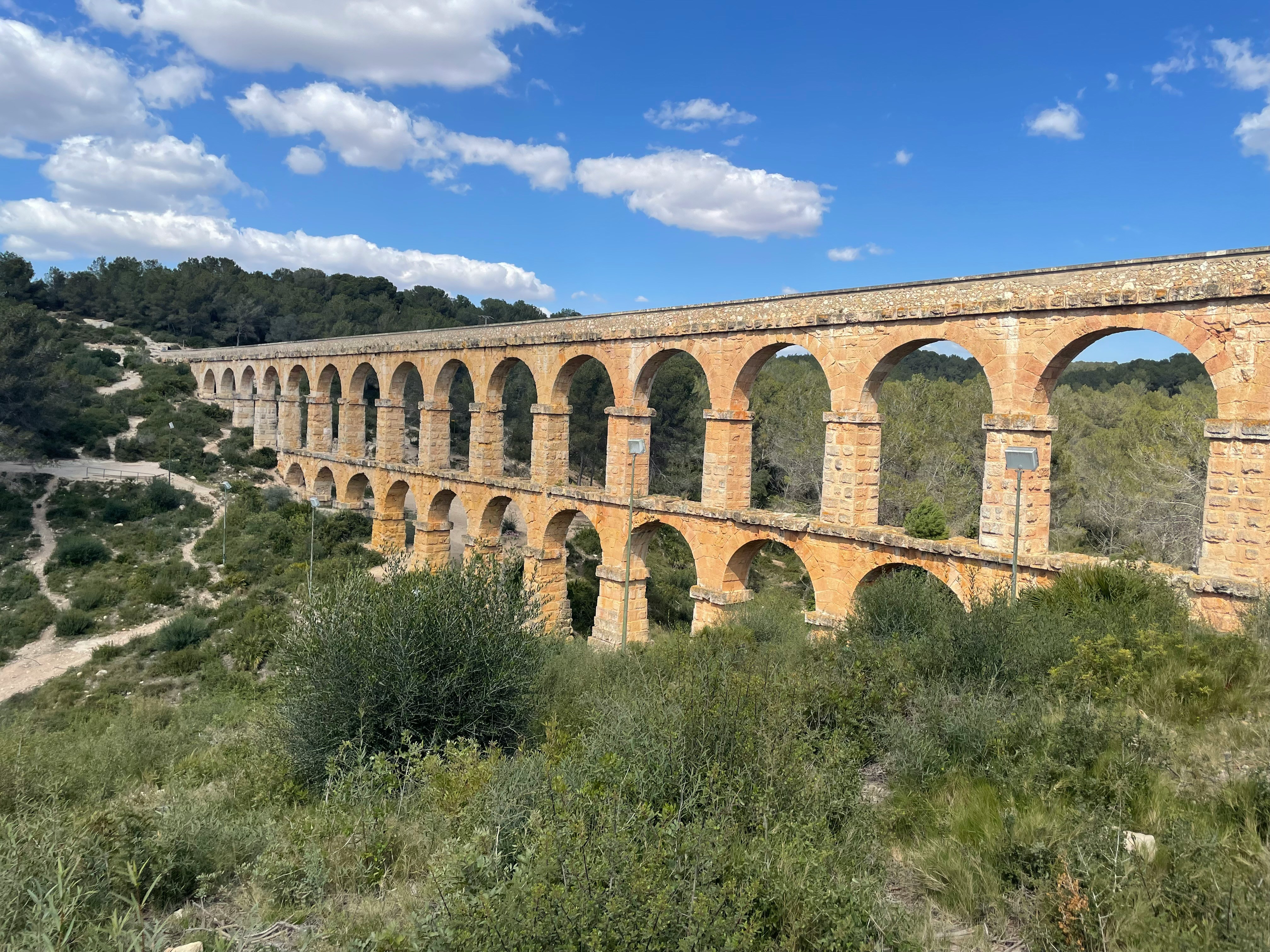
I’ve been so busy building Aimee’s aqueducts that I haven’t had eyes to see the springs of living water that issue from the Savior (John 4: 13–14; John 7:37–38). Oh, how I long to learn my lessons. I long to say with the Sons of Korah, “All springs are in you” (Psalm 87:7).
In a world that holds self-reliance to be the highest mark of maturity, I long to be one who relies on God, one who looks to Him for protection and provision.
I’m not sure what vulnerabilities you have been surveying and what plans you have been making to shore up those weak places. But I am certain that the God of the universe knows them and delights in those who bring their weaknesses and needs before Him. He cannot help but be a spring to those who seek Him.
 aimeejoseph
Leave a comment